 CLMUN 2021
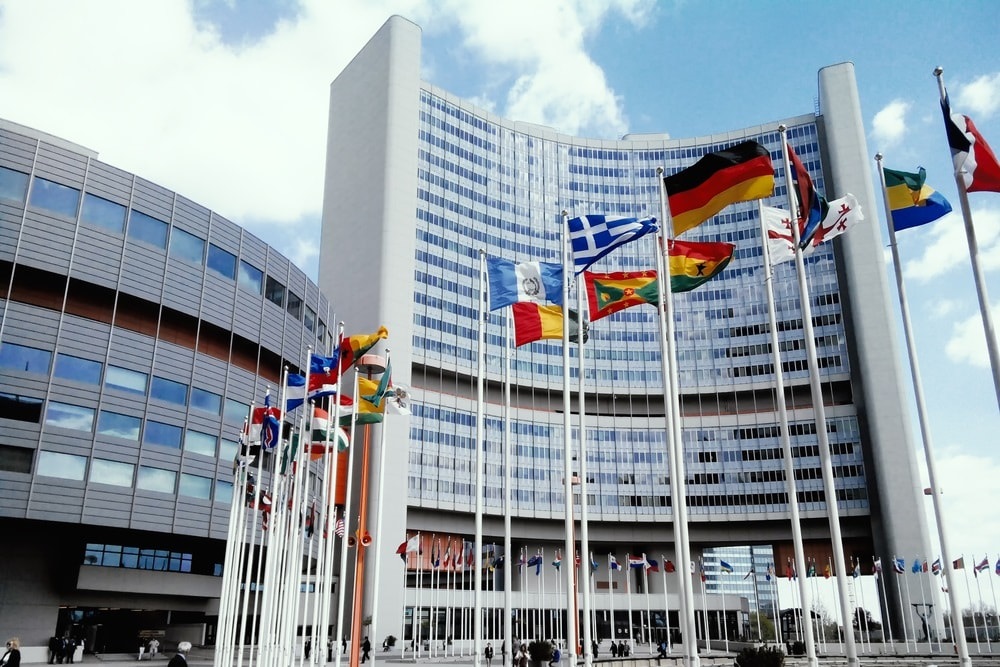
United Nations Office on Drugs and Crime(UNODC)
Everyone says corruption is everywhere, but for me it seems strange to say that and then not try to put the people guilty of that corruption away.
Alexei Navalny
For two decades, the United Nations Office on Drugs and Crime (UNODC) has been helping make the world safer from drugs, organized crime, corruption and terrorism. UNODC is committed to achieving health, security and justice for all by tackling these threats and promoting peace and sustainable well-being as deterrents to them.
Topic I: The Abating of Corruption in the Developing World
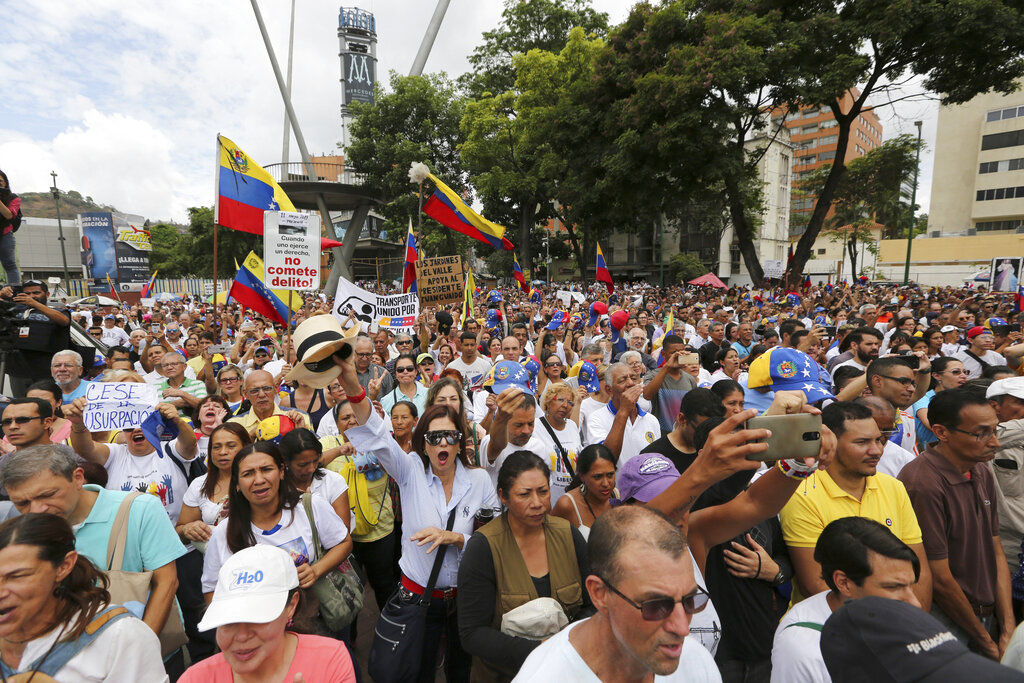
According to the World Bank, the average income in countries with a high level of corruption is about a third of that of countries with a low level of corruption. Also, the infant mortality rate in such countries is about three times higher and the literacy rate is 25% lower. No country has been able to completely eliminate corruption, but studies show that the level of corruption in countries with emerging market economies is much higher than it is in developed countries.
Economies that are afflicted by a high level of corruption—which involves the misuse of power in the form of money or authority to achieve certain goals in illegal, dishonest, or unfair ways—are not capable of prospering as fully as those with a low level of corruption. Corrupted economies are not able to function properly because corruption prevents the natural laws of the economy from functioning freely. As a result, corruption in a nation's political and economic operations causes its entire society to suffer.
Topic II: The Global Drug Trade
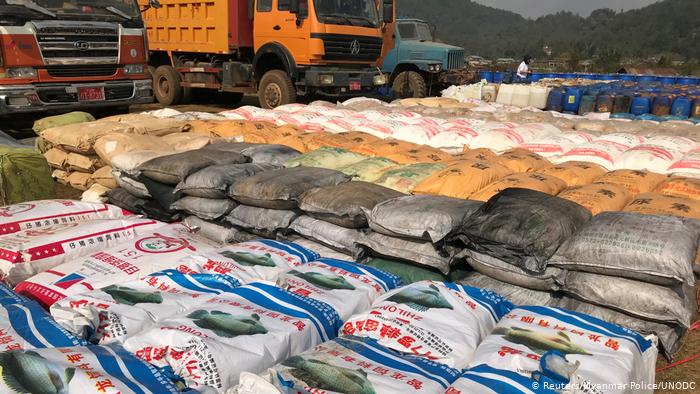
Criminal networks traffic a range of drugs including cannabis, cocaine, heroin and methamphetamine. As international borders become increasingly porous, global abuse and accessibility to drugs have become increasingly widespread. This international trade involves growers, producers, couriers, suppliers and dealers. It affects almost all of our member countries, undermining political and economic stability, ruining the lives of individuals and damaging communities. The end-users and addicts are often the victims of a powerful and manipulative business.
Drug trafficking is often associated with other forms of crime, such as money laundering or corruption. Trafficking routes can also be used by criminal networks to transport other illicit products. As criminals devise ever-more creative ways of disguising illegal drugs for transport, law enforcement faces challenges in detecting such concealed substances. In addition, new synthetic drugs are produced with regularity, so police need to always be aware of new trends and products on the illicit market.
Conference Chairs
- Chair: To Be Disclosed
- Co-Chair: To Be Disclosed